
Garage doors come in different designs and operating systems, each offering its own features, advantages, and practical considerations. From traditional swing-out models to modern overhead systems, the available options cater to different garage layouts, architectural styles, and homeowner preferences. Factors such as available space, ease of operation, insulation, and maintenance requirements can all influence the type of garage door a homeowner chooses.
We compared the main garage door styles with the professionals at Washington Garage Doors to explore the five most common types, how their operating mechanisms differ, and what homeowners should consider when choosing a new garage door.
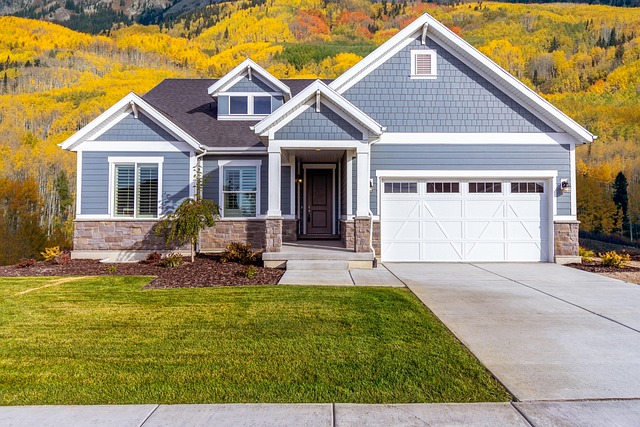
What Are the Five Types of Garage Doors?
The five main types of garage doors are sectional, roll-up, tilt-up, side-hinged, and side-sliding. Each operates differently and is designed to accommodate particular garage configurations and requirements.
- Sectional Garage Doors – One of the most popular choices for residential properties, sectional garage doors consist of several horizontal panels connected by hinges. When opened, the panels travel vertically along tracks before moving horizontally beneath the garage ceiling. They offer good space efficiency, insulation options, and a wide variety of designs and finishes.
- Roll-Up Garage Doors – These doors are made of narrow horizontal slats that coil into a compact roll above the garage opening. They are particularly useful for garages with limited ceiling space and are widely used in commercial and industrial properties, as well as some residential applications.
- Tilt-Up Garage Doors – Unlike sectional models, tilt-up garage doors consist of one solid panel that pivots upward and moves into the garage when opened. They offer a simple, traditional design but require adequate clearance in front of the garage, depending on the mechanism.
- Side-Hinged Garage Doors – Similar to traditional double-entry doors, side-hinged garage doors consist of two panels that swing outward on hinges attached to the sides of the frame. They provide convenient pedestrian access and a classic appearance, making them particularly suitable for traditional properties and detached garages.
- Side-Sliding Garage Doors – These garage doors move horizontally along tracks rather than lifting overhead. They are a practical option for garages with ceiling obstructions or limited overhead clearance, although they require sufficient wall space to accommodate the opened door.
What Should You Consider When Choosing a Garage Door Type?
Before selecting a garage door, homeowners should consider several factors to ensure it meets their home’s practical needs, aesthetic preferences, and budget. Some important factors include:
- Available Space – One of the first things to consider is how much space you have inside and around your garage. Consider ceiling clearance, side-wall space, and the amount of driveway room needed for the door to open without obstruction.
- Garage Door Material – The material you choose affects your garage door’s appearance, durability, maintenance requirements, and overall price.
- Insulation and Weather Protection – Insulation is particularly important if your garage is attached to your home, shares walls with living spaces, or serves as a workshop or recreational area. An insulated garage door helps reduce heat transfer between the garage and the outdoors, making it easier to maintain comfortable temperatures. It can also reduce outside noise and help protect stored belongings from extreme temperature fluctuations.
- Security and Safety Features – Since a garage often provides access to your home and stores valuable belongings, security should be a major consideration. Look for a garage door made from strong, durable materials and equipped with reliable locking mechanisms.
- Automation Options – If you prefer an automatic garage door, check whether the selected type is compatible with suitable garage door openers and operating systems.
- Purchase and Installation Costs – Your budget should account for more than the initial price of the garage door. Costs can vary depending on the material, door type, dimensions, insulation level, decorative features, and operating mechanism.
- Maintenance Requirements – Different operating mechanisms have different hardware and maintenance needs. Considering these needs before purchasing can help you choose a garage door that fits the amount of time and money you are willing to dedicate to ongoing upkeep.
Which Type of Garage Door Is Best for Your Home?
The best garage door type depends on your property’s layout, architectural style, and everyday needs. Sectional garage doors are a popular choice for residential homes because of their versatility, insulation options, and space-efficient operation. Roll-up models can work well where overhead space is limited, while side-hinged and tilt-up doors offer alternatives for homeowners who prefer more traditional designs. Consulting an experienced garage door installer can help determine which mechanism is most suitable for the available space and installation requirements.
In conclusion, the best garage door type is one that meets your property’s spatial requirements, complements its architectural style, and provides the right balance of functionality, security, durability, and energy efficiency.
Written by Washington Garage Doors, your local garage doors and gate technician in Vancouver Garage Door, Ridgefield Garage Door, Mill Plain Garage Door, Woodland Garage Door, La Center Garage Door, Brush Prairie Garage Door, Orchards Garage Door, Camas Garage Door, Hazel Dell Garage Door, Salmon Creek Garage Door, Amboy Garage Door and Yacolt Garage Door.